

Nobody wakes up and says, “today I’m going to buy a how-to book.” They go looking for an outcome, a transformation, an “after.” The book is just the vehicle.
Here’s what I mean. I’m a penny whistle player. Last week, I stumbled across a YouTube documentary about Patrick Olwell, a maker of wooden flutes. In it, Olwell mentions a book, The Amateur Wind Instrument Maker, by Trevor Robinson, and describes how it propelled him into the next level of flute-making. Suddenly I was imagining buying the book (yes, it’s a problem), setting up a wood shop, carving Irish flutes from African Blackwood. My vision flash-forwarded to the myself atop the Cliffs of Moher with the wind playing the famous tune from Titanic, My heart will go on. Then I snapped out of it. I was back at my desk, asking myself, “is this something I want to commit to?” In this case, I decided to continue writing my how-to book rather than becoming that whistle-player. My identity as a writer is stronger than that of myself as a talented musician.
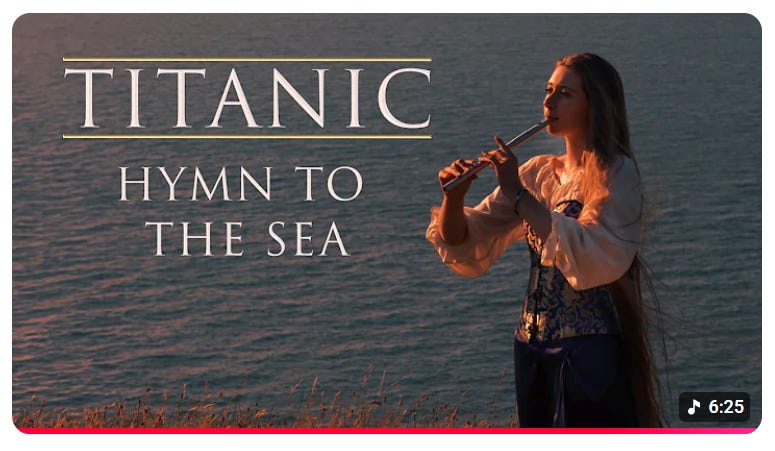
But still, think about it: a book made me dream and consider one possible future for myself.
That daydream is the whole game. If you’re writing a how-to book, your book needs to do the same thing. It needs to deliver a transformation, not just information. And it needs two things to make that transformation stick: a vision the reader can see, and an emotion that makes them act.
The most popular how-to books prove it
As of early 2025, the Goodreads list of popular how-to books tells the story. The top two, Atomic Habits (1.3 million ratings) and How to Win Friends and Influence People (1.2 million), are about improving your behavior and relationships. Marie Kondo’s book (394,000 ratings) is about transforming your home and work environment. The next two, *On Writing* and *Bird by Bird*, help you become a (better) writer.
These books are not about producing a tangible object. They’re about becoming a different version of yourself. Even the ones that teach concrete craft skills succeed because they promise transformation, not just mechanics.
Your book needs a vision
Every good how-to evokes in the reader a vision of a possible future. A better future, and a happier place. The penny whistle daydream is an exaggerated version of what happens every time someone picks up a how-to book: they see themselves on the other side, having done the thing, transformed by the process.
Your book needs to create that vision. Not just in the introduction, but in every chapter. Each step your reader completes should reinforce the picture of who they’re becoming. If your book only delivers information without vision, it’s a manual. Manuals are useful. But nobody finishes a manual and tells their friends about it.
Your book needs an emotion
So if every successful how-to promises transformation, what makes readers actually follow through? It’s not more information. It’s emotion.
In their book Switch, Dan and Chip Heath put it this way: “Knowledge does not change behavior. We have all encountered crazy shrinks and obese doctors and divorced marriage counselors.” Your rational mind can know exactly what to do. But unless you also engage the emotional side, nothing happens. The information in a how-to book is rarely the bottleneck. The hard part is getting people to actually act on it.
Your book needs to make readers *feel* the transformation, not just understand it. That means scenes, not just steps. Before-and-after stories, not just bullet points. Moments where the reader thinks, “that could be me.”
What to do with this
If you’re working on a how-to book, try this exercise. It takes about ten minutes.
1. Write the “before.” Describe your reader before they pick up your book. What’s their situation? What’s frustrating them? What have they tried that hasn’t worked? Be specific.
2. Write the “after.” Describe your reader after they’ve finished your book and applied what they learned. What’s different? What can they do now that they couldn’t before?
3. Write the feeling. What emotion does your book need to create? Confidence? Relief? Excitement? Write one sentence that captures it.
Now read your “before” and “after” to someone in your target audience. If they nod, you’re on track. If they shrug, your transformation is either too vague (”this book will change your life”) or too abstract. Sharpen it until you can see the gap between where your reader starts and where they end up.
The information is the easy part. The vision and the feeling are what make people buy, read, and finish the book. They’re also what make people recommend it.
I’m working through exactly this problem right now. I’m writing a book called How to Write a How-To Book, and defining the reader’s transformation was one of the first tasks I had to complete. If you’re writing a how-to book of your own, subscribe. I’ll share what I learn along the way.
ai_disclosure: To create this article, I used Claude Code (Anthropic) to repurpose original content from my book. I have read, revised, and am responsible for this content.